
Singleton · Sat 22 July 2028
99.83%
of the Sun covered
Maximum 2:01:12 pm AEST
The afternoon, drawn to scale · 2 h 35 min from start to finish
Singleton eclipse times (AEST)
Eclipse begins 12:39:56 pm · Maximum 2:01:12 pm · Eclipse ends 3:14:42 pm.
Where to watch in Singleton
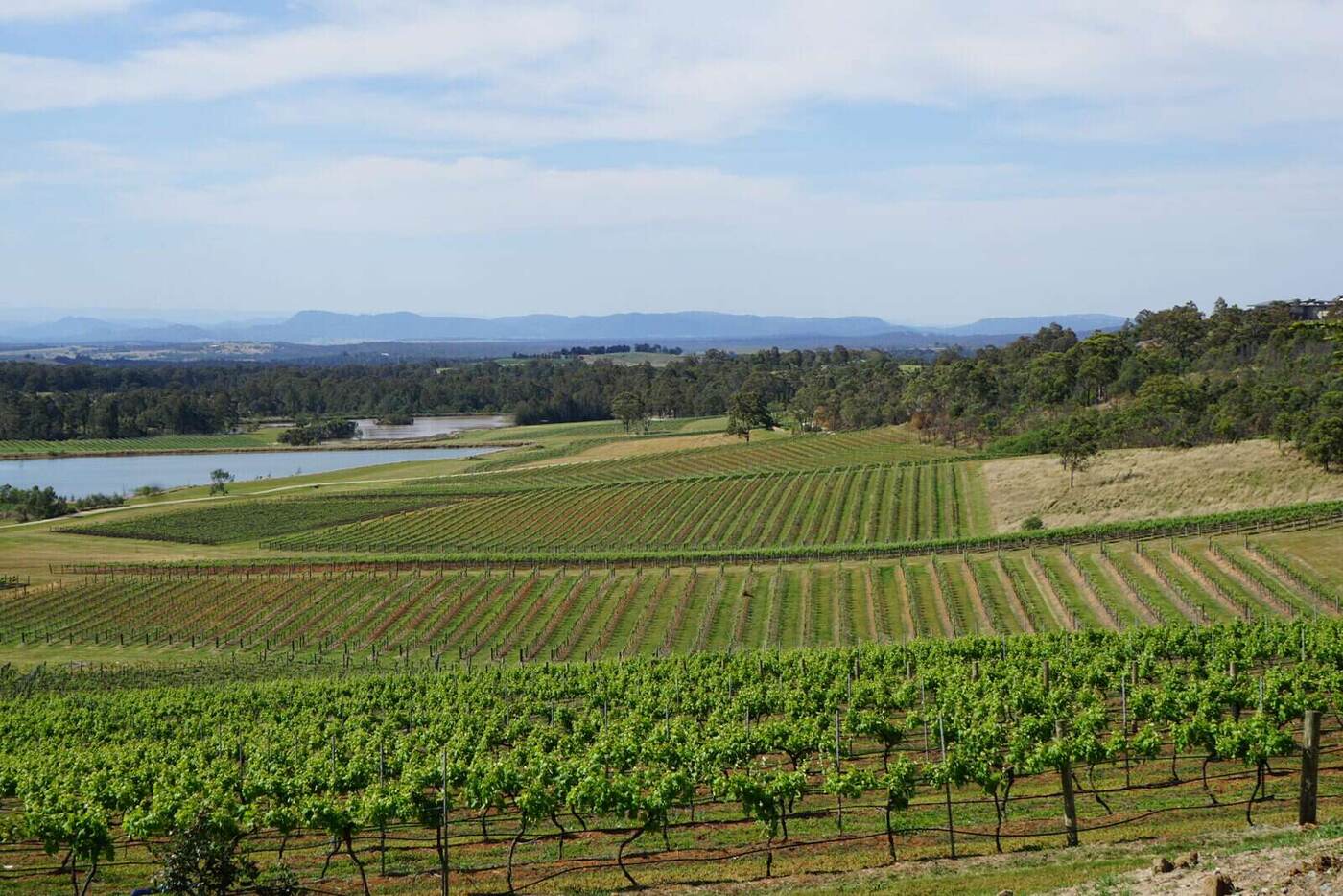
Broke village (totality about 1 min 03 s)
Wine-region village · Singleton LGA
Closest totality to Singleton.
Sightline. Open valley floor with low hills.
Getting there. About 25 min from Singleton via Broke Rd (approx.). Facilities. Village shop, pub, cellar doors
Heads up. About 3.5 km inside the edge; duration ±5 to 10 s.
Milbrodale
Rural locality · Singleton LGA
Quieter alternative to Broke (about 54 s).
Sightline. Open farmland.
Getting there. About 30 min from Singleton (approx.). Facilities. None
Heads up. Edge zone. Respect private property.
Wollombi village (about 2 min 12 s)
Historic village · Cessnock LGA
Twice Broke's duration.
Sightline. Valley floor with low ridges.
Getting there. About 50 min from Singleton via Broke (approx.). Facilities. Tavern, cafes, toilets
Heads up. Narrow roads.
Putty (Putty Road)
Remote valley · Singleton LGA / Hawkesbury
About 3 min 20 s, real long-totality, in wild country.
Sightline. Open valley floor.
Getting there. About 1 h 20 min from Singleton via Putty Rd (approx.). Facilities. Very limited (roadhouse)
Heads up. Remote winding road; carry fuel and water.
The edge runs between Singleton and Broke
Singleton town is about 16 km outside the path. Heading south down Broke Road, you cross the edge just north of Broke, then totality grows the further you go: about 1 min 03 s at Broke, and over 2 minutes in the Wollombi Valley. Bulga and Milbrodale are close to the edge, with well under a minute.
Where the edge is
The northern edge of the path passes between Singleton and Broke, and Broke Road crosses it just north of Broke. Traced from the coast, the line starts at Caves Beach and Swansea, goes past Wangi Wangi and Toronto, under Cessnock and through Pokolbin, then crosses south of Singleton and carries on past Denman and Merriwa. Singleton and Jerrys Plains are on the north side, where the Moon covers about 99 to 99.99% of the Sun. On the south side, totality builds quickly at first and then more slowly: roughly 50 s at 2 km in, 75 s at 5 km, 1 min 40 s at 10 km and about 2½ min at 22 km.
What you'll see from Singleton, minute by minute
The times below are for Singleton town, in AEST.
- 12:39:56 pmfirst contact. Glasses on: the Moon starts to cut into the right-hand edge of the Sun.
- About 1:31 pmthe Sun is about 55% covered. Sunlight goes flat and faintly metallic. Look at the ground under a tree: the spots of light between the leaves are now small crescents.
- About 1:46 pmabout 79% covered. It starts to feel cooler, the light is closer to late afternoon, and birds may quieten.
- About 1:56 pmabout 95% covered. To the north-west the sky starts to darken. The Moon's shadow is crossing the region at more than 4,000 km/h, but it passes south of Singleton.
- 2:01:12 pmmaximum eclipse, 99.8% covered. A very thin crescent of Sun is left, so Singleton gets an eerie, dimmed daylight rather than night, and glasses stay on. To the south, over Broke and the path, the sky may look much darker.
- 3:14:42 pmlast contact. The Moon moves off the Sun's edge and the eclipse ends in Singleton.
Putty Road for the long version
If you want more than three minutes, take the Putty Road south between Yengo and Wollemi national parks. Putty itself gets about 3 min 20 s, but it's remote, so fill up with fuel, take water and food, and allow about an hour and a quarter from Singleton.
Where to look
Whether you stay in Singleton or drive to Broke, the Sun around 2 pm is in the north-north-west, about 30° above the horizon (bearing 327° true). That height is about a third of the way up the sky, so all you need is a clear view on that side. The open valley floor at Broke and the open farmland at Milbrodale make that easy. Putty's valley floor is open too, but the road in winds between Yengo and Wollemi national parks, so choose a stop with sky to the NNW. As a guide, anything to your NNW hides the Sun if you are closer to it than about 1.8 times its height: stand 18 m or more from a 10 m tree, and 110 m from a 20-storey (60 m) building.
From Singleton at maximum · Sun in the north-north-west, 30° up
The path near Singleton · numbers match the spots below
Stopping at Broke or along the Putty Road? Keep anything to your NNW at least 1.8× its own height away: 18 m for a 10 m tree, 110 m for a 20-storey tower.
Times across the area
Length of totality
| Place | Totality begins | Totality | Coverage |
|---|---|---|---|
| Bulga | 2:00:44 pm | 0m 32s | 100% |
| Milbrodale | 2:00:37 pm | 0m 54s | 100% |
| Broke | 2:00:38 pm | 1m 02s | 100% |
| Wollombi | 2:00:09 pm | 2m 12s | 100% |
| Putty | 1:58:56 pm | 3m 20s | 100% |
Times AEST, computed from JPL DE421 lunar ephemeris and cross-checked against NASA/Espenak Besselian elements. Bulga, Milbrodale and Broke are all within a few kilometres of the edge, so their durations could shift by 10 s or more.
Why a few kilometres matter here
Near the edge, totality grows quickly with every kilometre. At Bulga, less than 1 km inside, you might get half a minute. Broke, about 3.5 km in, gets about a minute. Wollombi, 17 km in, gets more than two. The difference between 99.8% in Singleton and even a short totality at Broke is huge: only at 100% does the sky go dark, the corona appear and stars come out.
Staying in town
If you stay in Singleton, 99.8% of the Sun is covered at 2:01:12 pm. The light goes noticeably dim and odd, but the sky never turns dark. Certified glasses stay on from about 12:40 pm to 3:15 pm.
Watching safely in Singleton
Singleton itself never reaches totality, and at no point in the afternoon is it safe to look at the Sun without protection, here or inside the path. Keep ISO 12312-2 certified eclipse glasses on from start to finish, including the minutes around 2:01:12 pm when only a sliver is left: at 99.8% the remaining sunlight can still burn your retina. If you drive down to Broke, Wollombi or Putty, the rule is the same: glasses stay on for the whole eclipse, including the minutes of totality. Sunglasses, smoked glass and homemade filters are not safe, and cameras, binoculars and telescopes need a proper solar filter on the front.
Every pair is ISO 12312-2 certified and tested by an independent lab. You can check the test certificate online.
Buy eclipse glassesEclipse questions for Singleton
Does Singleton get a total eclipse?
No, 99.8% in town. Broke, Milbrodale and the Putty valley are inside the path.
Cloud, cold and crowds
A typical July · Scone SCS, BOM 061089
The nearest long cloud record to Singleton is at Scone: 9.2 clear and only 5.8 cloudy days in an average July, with a mean 3 pm temperature of 14.9°C. Cessnock, for comparison, averages 7.7 clear July days.
Singleton residents' nearest totality is Broke, a small village that will also draw Pokolbin visitors. Spread out along Broke Rd, or go further to Wollombi or Putty.
Buying for a group in Singleton
Singleton schools will need to run eclipse safety lessons and hand out glasses by Friday 21 July 2028, as the eclipse itself is on a Saturday. Council, club and venue events in town need one certified pair per person for the whole two and a half hours, because Singleton does not get totality. Groups heading down Broke Road to Broke, Milbrodale or Bulga need the same, as glasses stay on there through the short totality too. With about 24,600 people in the area, and Pokolbin visitors also heading to Broke, expect demand to climb in the final weeks. Our options are bulk cartons, fundraising boxes of 20 to 250 pairs for schools and clubs, and custom-branded glasses from 500 units, with an artwork proof before printing.
Other places on the path
- Hunter Valley eclipse guide
- Cessnock eclipse guide
- Muswellbrook eclipse guide
- Upper Hunter eclipse guide
- 2028 eclipse times across Australia
- Interactive eclipse map