
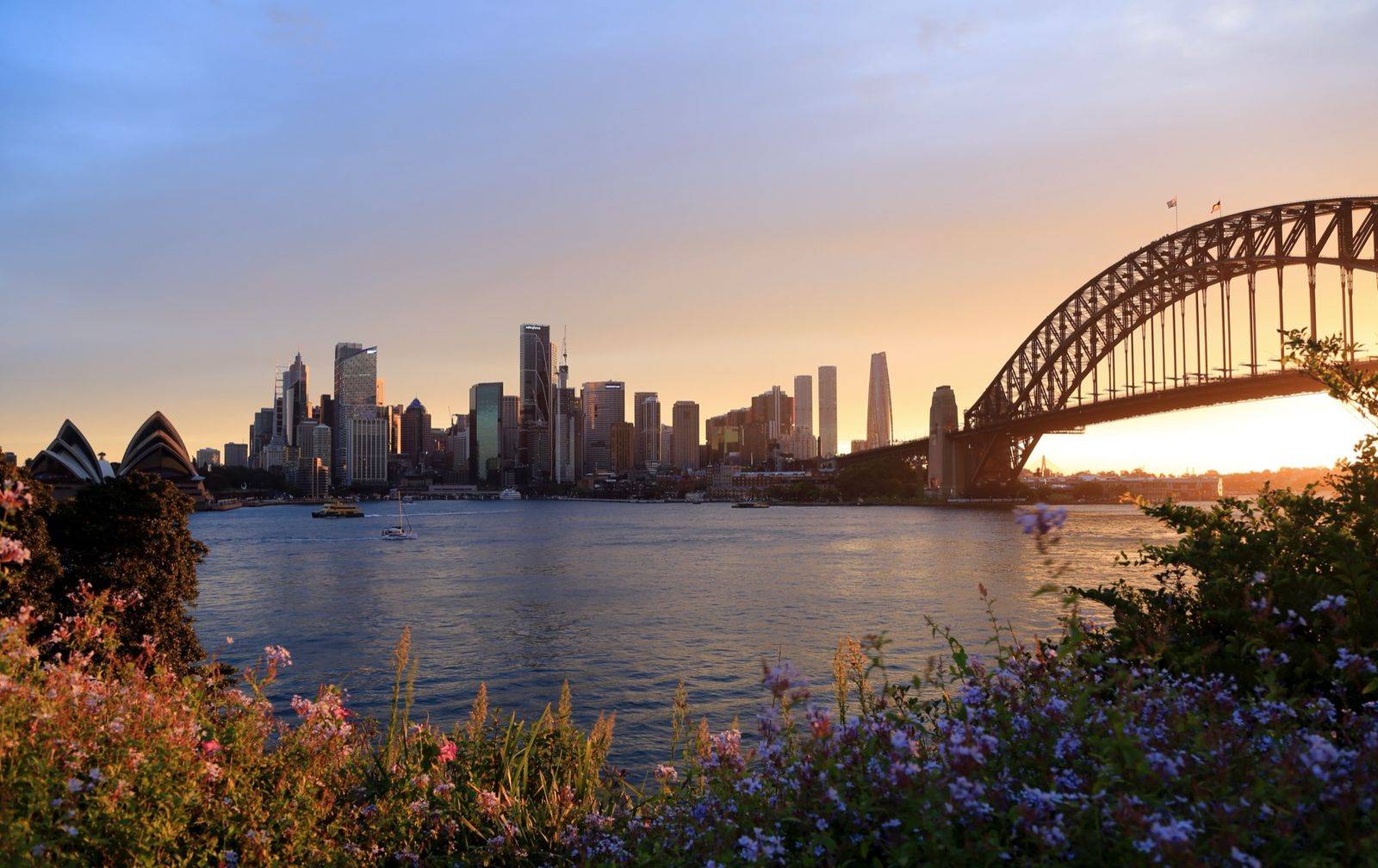
Totality runs from 1:59:36pm to 2:03:25pm AEST, with maximum eclipse at 2:01:31pm. The partial phases stretch the whole show from 12:40pm to 3:14pm.
Here's the one thing that decides whether your viewing spot works: at totality, the Sun will sit about 29 degrees above the horizon, to the north-west (bearing 328 degrees). That's a low winter sun. A tall building, a tree line or a ridge in the wrong place will block it. The best spots in Sydney all solve this the same way: open water, elevation, or wide open turf to the north-west.
We've ranked the ten best.
How we ranked them
Every location on this list was assessed on four things: a guaranteed clear north-west sightline at 29 degrees elevation, how many people it can hold, how easy it is to get to without a car, and how early you'll need to arrive. All of them are free, public spaces.
Barangaroo Reserve, Stargazer Lawn
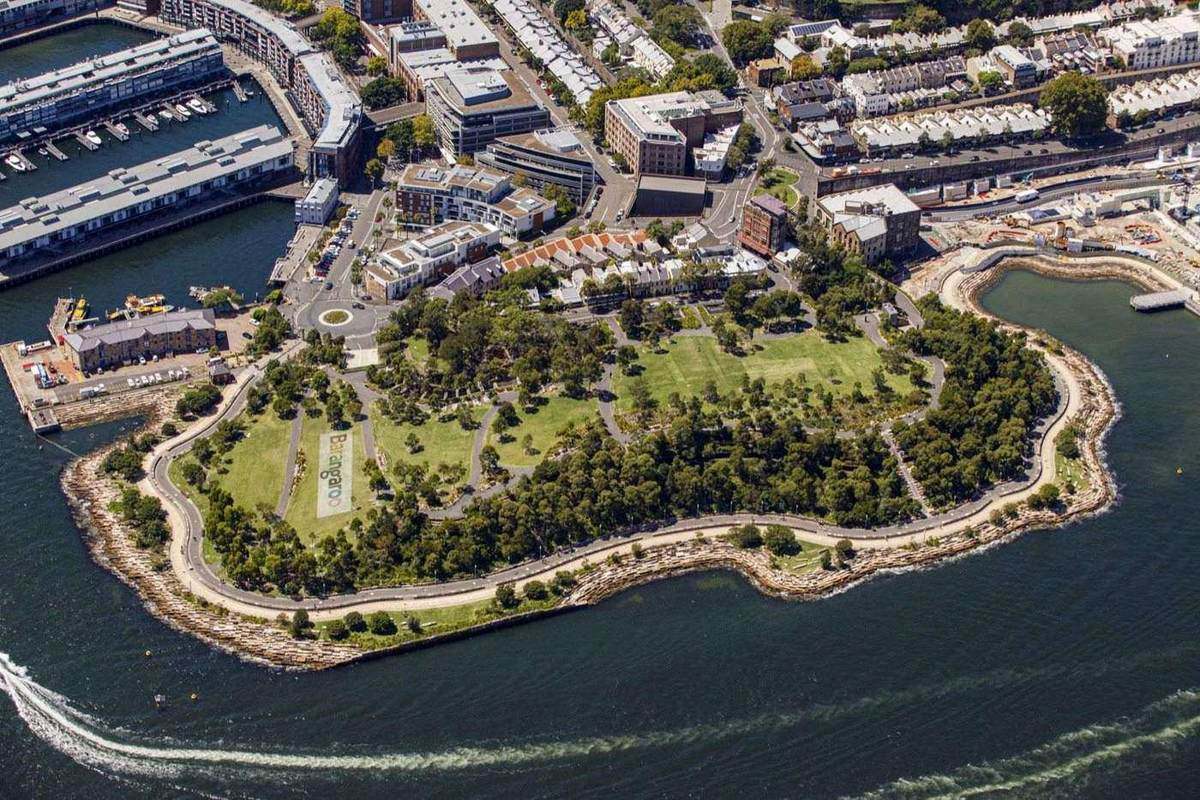
The name is a happy accident, but the geometry is perfect. Stargazer Lawn sits 18 metres up on Barangaroo's engineered sandstone headland, looking north-west straight across the open water of Johnstons Bay, and nothing stands between you and the Sun. It's also the easiest major vantage point to reach in the whole city, 300 metres from Barangaroo Metro or a covered walk from Wynyard. The lawn itself holds around 3,500, with room for up to 10,000 across the wider reserve. This will be one of the first sites to fill, so be there by 11am. Our pick for best overall.
Mrs Macquaries Point
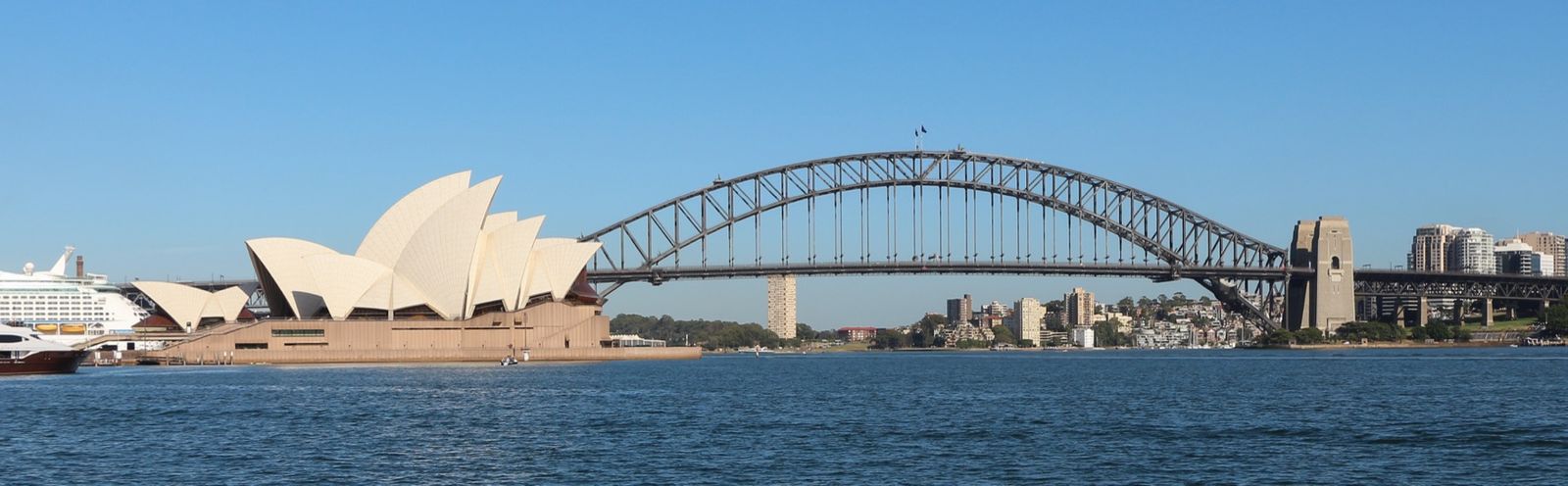
If you want the photograph, the eclipsed Sun hanging above the Opera House and the Harbour Bridge, this is the only place to stand. The headland looks north-west directly over Farm Cove, so the water gives you a clean line to the horizon. It's compact though, roughly 3,000 to 5,000 capacity, and on a day like this it will close early once full, with bag checks at the gates. It's a 15 to 20 minute walk from Circular Quay, Martin Place or St James. Arrive mid-morning at the latest, or at sunrise if you're serious about the shot.
Observatory Hill Park
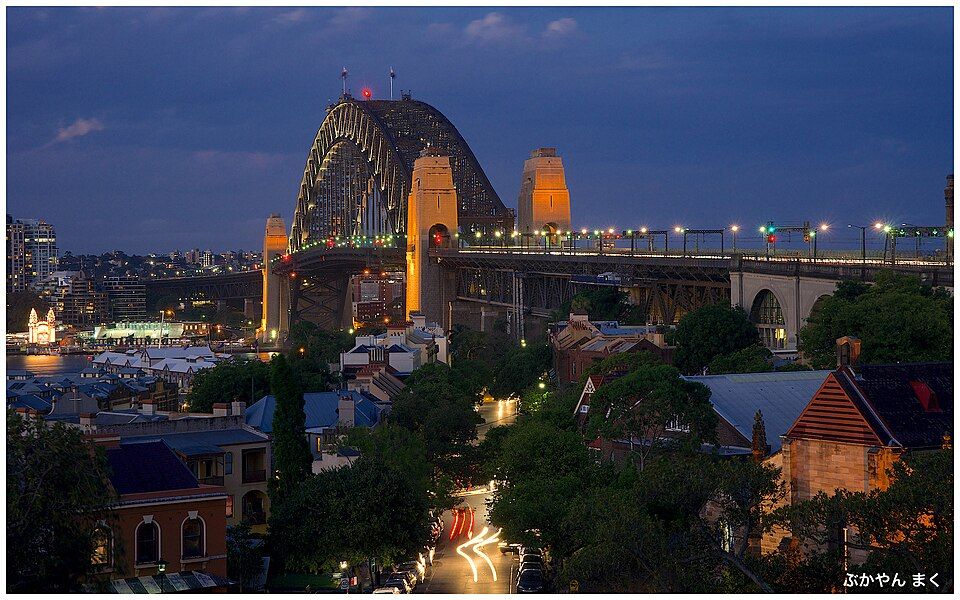
Sydney has watched the sky from this hill for 170 years, and on 22 July 2028 it earns its name again. At 40 metres up, the lawns look north-west over Walsh Bay and the western spans of the Harbour Bridge, with the low Sun well clear of the city behind you. There's room for about 8,000 on the slopes, and it's less than ten minutes' walk from Wynyard or Circular Quay. Aim to be settled by 11:30am.
Blues Point Reserve
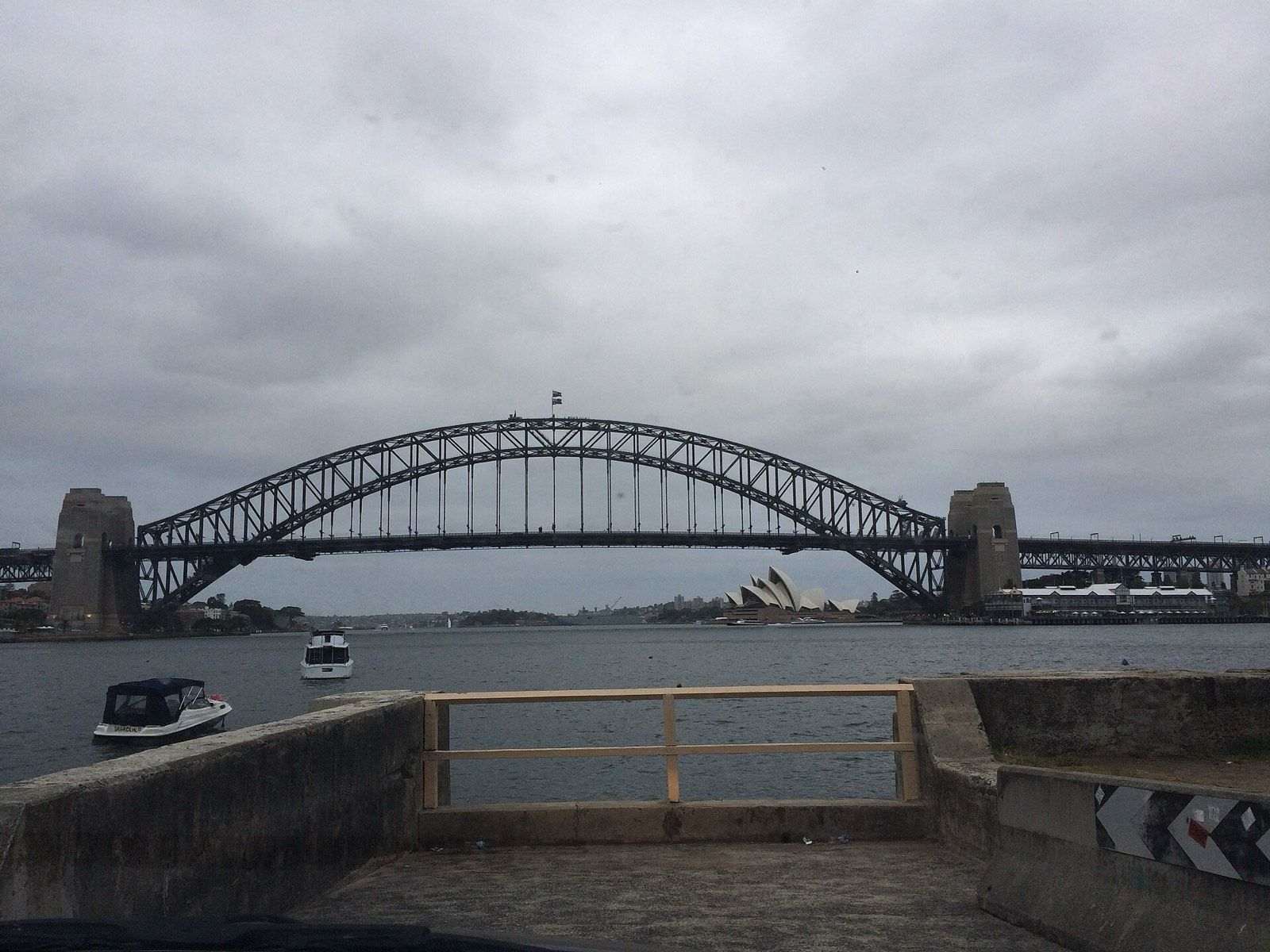
The postcard view in reverse. From the tip of the McMahons Point peninsula, the north-west sightline runs across the open channel of the Parramatta River between Ballast Point and Balls Head, water all the way, nothing in the way. Official event capacity is a generous 8,000. Take the ferry to McMahons Point wharf right beside the park, or walk down from Victoria Cross Metro or North Sydney station, about 15 minutes. Don't drive: roads close to non-residents on big event days. Arrive by 11:30am.
Bradleys Head Amphitheatre
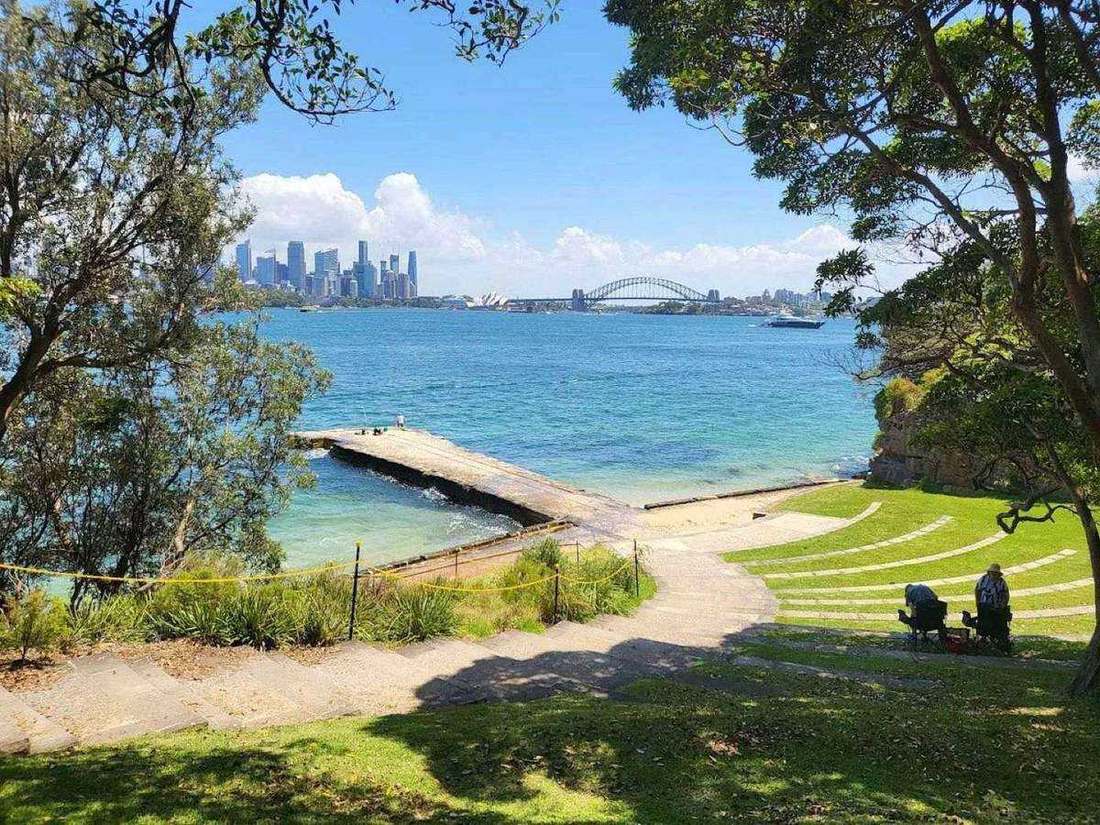
A historic stone amphitheatre at the water's edge, looking north-west up the main harbour channel toward the Opera House, Circular Quay and the Bridge. The view rivals Mrs Macquaries Point; the crowd will be a fraction of it, because capacity tops out around 1,500 to 2,000 and getting there takes slightly more effort. That's the trade, and for many people it's a good one. Bus 238 via Taronga Zoo wharf gets you there; the tiny on-site car park fills fast. Small site, early cut-off, so arrive by 11am.
Dudley Page Reserve
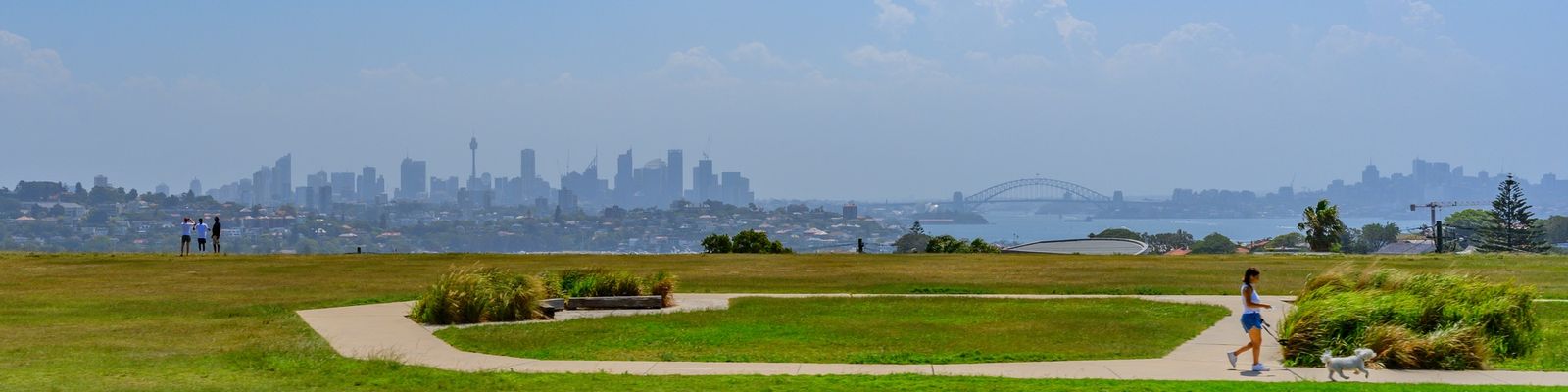
An 80 metre high coastal plateau with the entire city skyline laid out to the north-west and the land falling away sharply below. The suburbs simply can't get in the way of a 29 degree sun from up here, which is exactly why it's famous as a New Year's Eve vantage point. There's lawn space for 3,000 to 5,000, and Waverley Council typically runs it as a managed precinct on big occasions. Bus 380 or 389 from Bondi Junction. Skip driving, street parking is scarce, and be there by midday.
Long Reef Headland
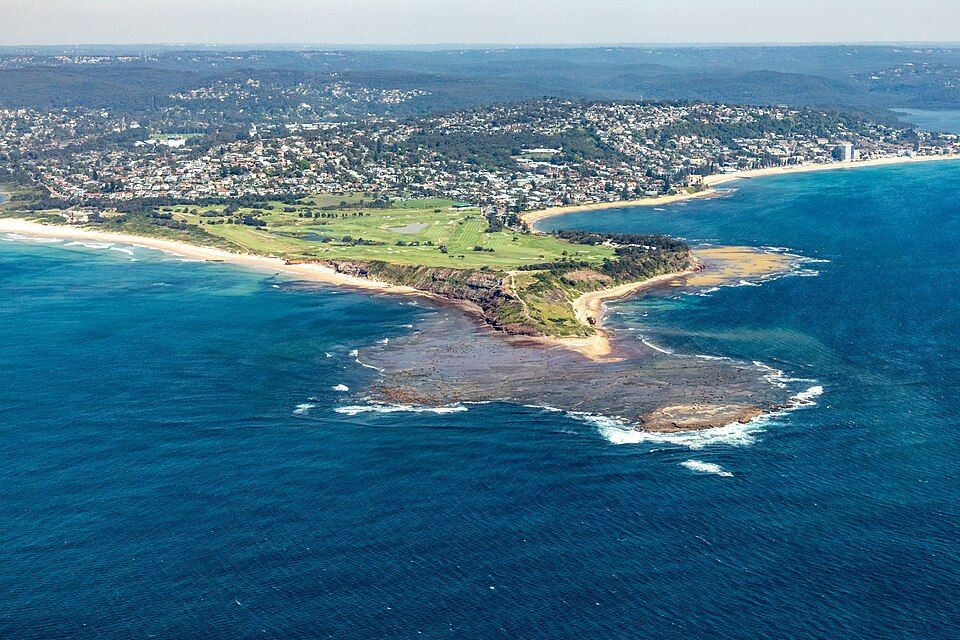
Griffith Park sits 35 metres up on the grassy summit of Long Reef, and the north-west view crosses Dee Why Lagoon toward the Ku-ring-gai plateau: low, flat and clear exactly where you need it. It holds 3,000 to 4,000 comfortably and the B-Line makes it easy without a car, the high-frequency B1 to Collaroy then a ten-minute walk up Anzac Avenue. Paid parking is available at the surf club below. Arrive by midday.
Barrenjoey Headland
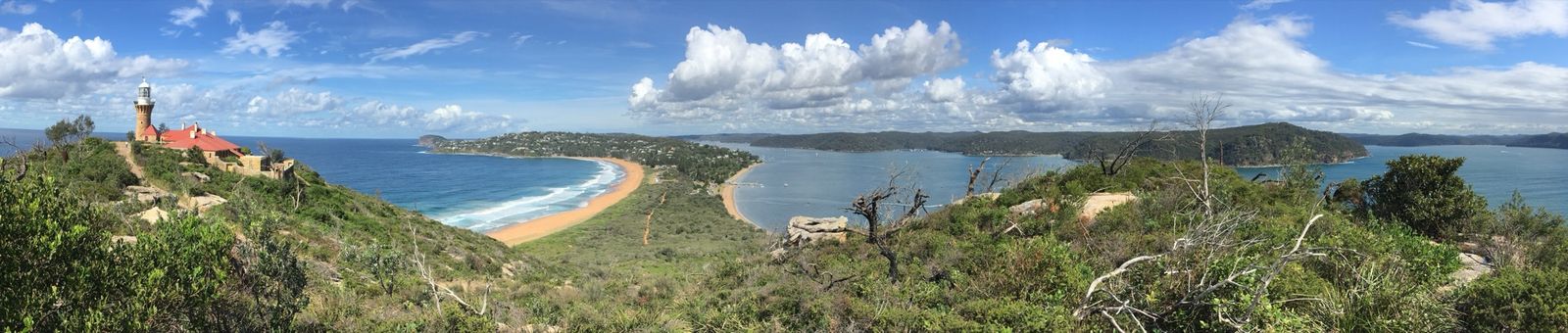
Ninety-one metres above Broken Bay, beside a 19th-century lighthouse, looking north-west over the Hawkesbury mouth, Lion Island and the Central Coast. This is the most spectacular natural setting on the list. It's also the hardest earned: a steep one-kilometre climb from Palm Beach, and only about 1,500 people fit safely at the top. If you're fit, early, and want a totality you'll describe for the rest of your life, this is it. Bus 199 to Palm Beach, then the Smugglers Track or Access Trail on foot. Parking and summit space both run out early, so plan to be climbing by 10am.
Moonrise Lookout and Sugarloaf Ridge
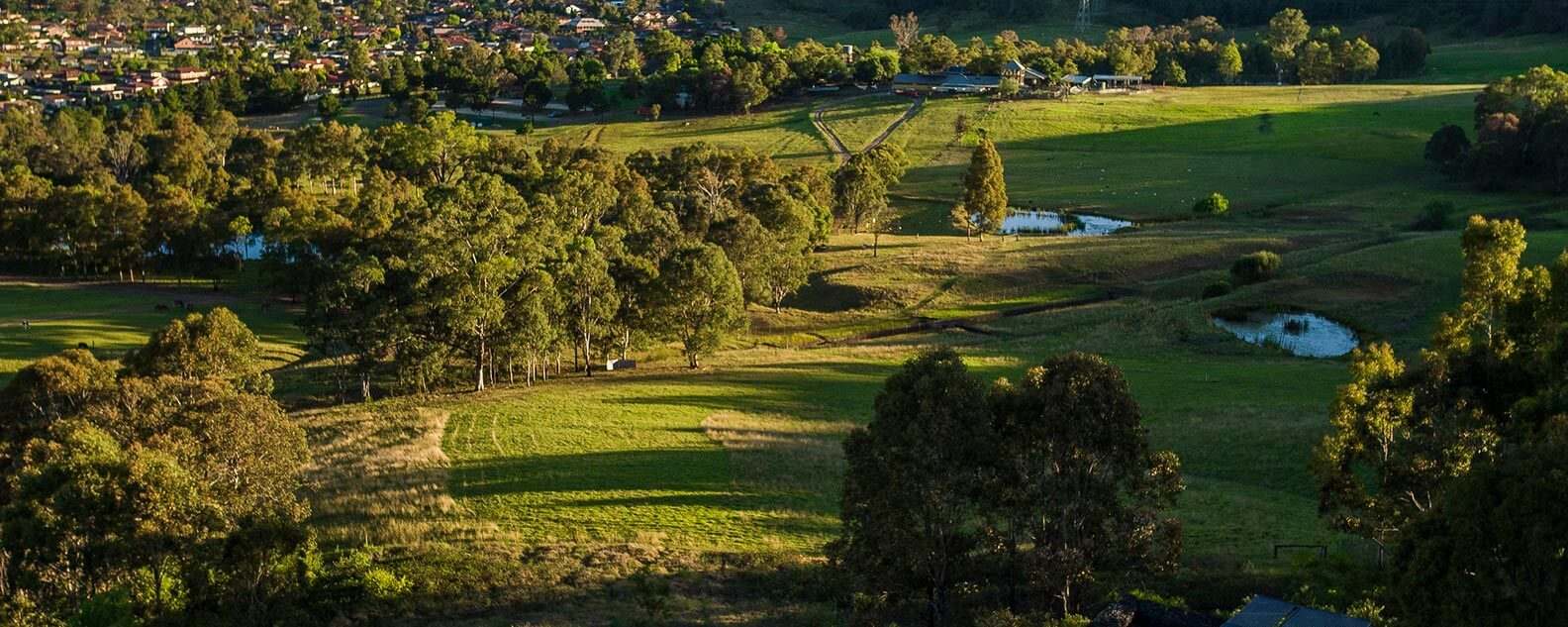
The highest public vantage point in the Sydney basin, 140 metres up on the Western Sydney Parklands ridgeline, gazing north-west across the Cumberland Plain to the Blue Mountains. And yes, it's actually called Moonrise Lookout. The scale out here is the drawcard: 10,000 to 20,000 people can spread across the ridge and the Lizard Log lawns and it still won't feel crushed. Big car parks at Lizard Log, The Dairy and Plough and Harrow make this the easiest drive-in option on the list, via the M7 to The Horsley Drive, or bus 753 from Fairfield or Blacktown. Space is the luxury here; 12:30pm is fine.
Kamay Botany Bay National Park
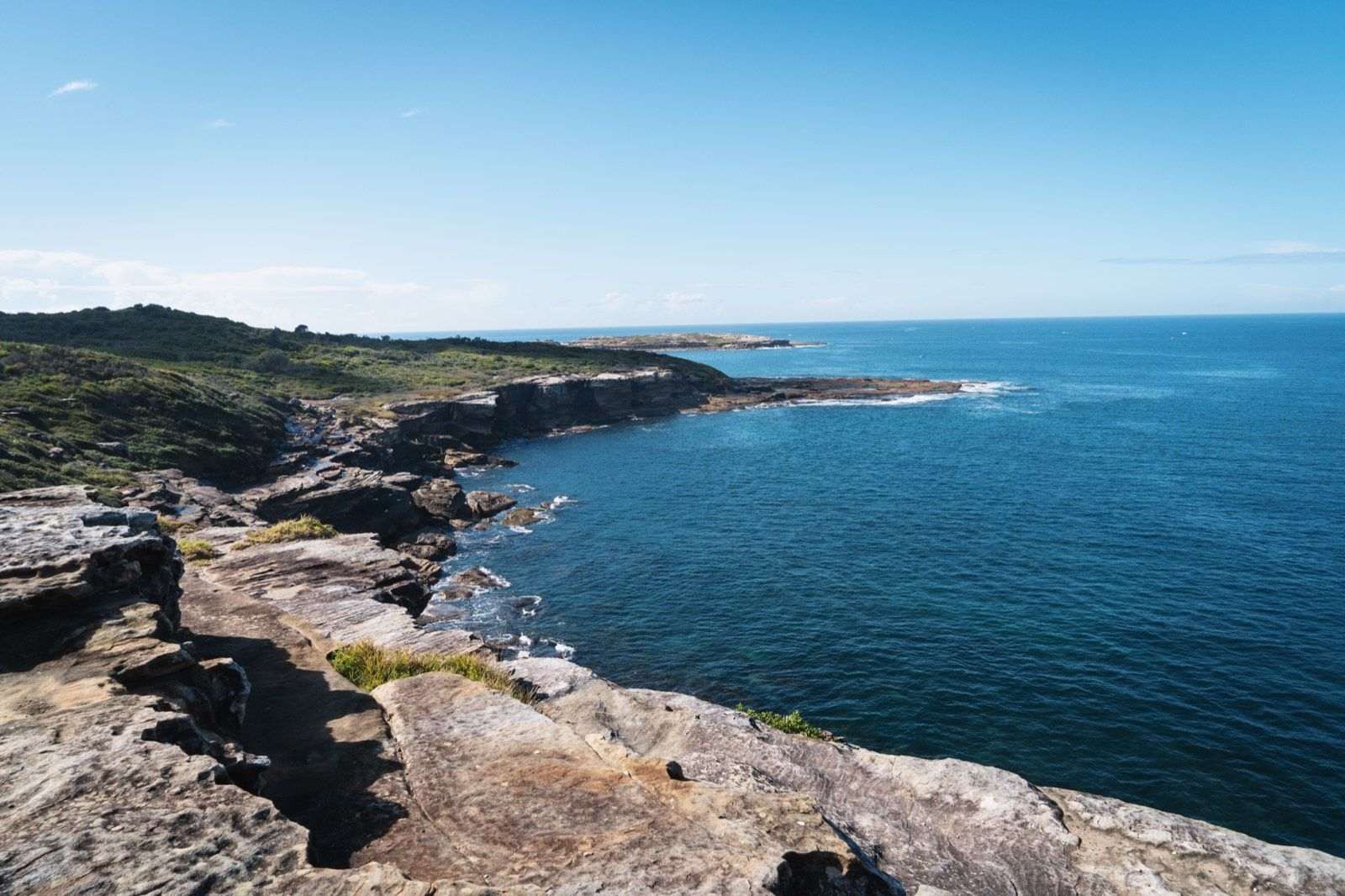
While the harbour headlands heave, the sandstone cliffs above Botany Bay will host a far calmer show. The north-west sightline runs clean across the open water of the bay toward the city skyline, and the mix of rocky lookouts and grassy reserves spreads 2,000 to 3,000 people out comfortably. The 390X express runs straight from Central to the La Perouse loop. For anyone who wants totality without the festival, come here. Arrive by 12:30pm.
Honourable mentions
Mount Steel in Centennial Parklands is a raised hill above the tree canopy with room for 15,000 to 25,000, the biggest-capacity option in the east. At Sydney Olympic Park, the Treillage Tower and Wann-ggal Lookout in Bicentennial Park lift you over the wetlands, with train, ferry and thousands of bookable parking spots. Bungarribee Park offers 200 hectares of open western turf plus a 14 metre climbing tower. Gap Bluff and Robertson Park at Watsons Bay give clifftop views across the harbour entrance and are ferry-accessible.
What you'll need
Everywhere on this list, one rule applies: you cannot look at the Sun without certified eye protection at any moment outside the 3 minutes 49 seconds of totality. That's the entire partial phase, from 12:40pm to 3:14pm. Certified AS ISO 12312-2:2020 eclipse glasses are non-negotiable for every person in your group, kids included.
Certified eclipse glasses, every pair independently lab-tested, with certificates you can check yourself.
Paper eclipse glassesThe Family Eclipse Kit: four pairs of certified glasses, a phone camera filter and our viewing guide. One box, whole family sorted.
Family eclipse kitAnd if you're planning to capture it, don't point your phone at the Sun unprotected. Our guide to photographing the eclipse with your phone is coming to the Journal.
FAQ
Can I just watch from home?
If your backyard or balcony has a clear view to the north-west sky at about 29 degrees above the horizon, absolutely. That's one of the joys of a city-wide eclipse. Check your sightline at 2pm on any winter afternoon beforehand: if you can see the Sun then, you're set for eclipse day. You'll still need certified glasses for everyone watching.
When should I arrive?
The harbour headlands (Barangaroo, Mrs Macquaries Point, Observatory Hill, Blues Point) will fill by late morning and may close at capacity. Get there by 11am at the flagship sites, midday elsewhere. This is a once-in-800-years event on a Saturday afternoon and Sydney will turn out.
Do kids need their own glasses?
Yes. Every person watching needs their own certified pair, worn for the entire partial phase, with adult supervision for young children. Our family multipacks are the easy answer for a group.
What time does it actually start?
The Moon takes its first bite of the Sun at 12:40pm. Totality, the part where day becomes night, runs 1:59:36pm to 2:03:25pm. The show ends completely at 3:14pm. Don't just turn up for the four minutes; the build-up is half the experience.
Get Sydney eclipse updates: viewing-spot alerts, event announcements and early access to glasses before the rush.
Register interest